Guan Hanqing
Introduction
Guan Hanqing (1241-1300) was a prominent playwright and poet of the Yuan Dynasty (1271-1368) in China. He is often regarded as one of the foremost figures in Chinese drama, particularly known for his contributions to the development of Chinese opera during his time. His literary works, characterized by their wit, depth and social critique, have left a lasting impact on Chinese culture and literature.
Guan Hanqing's ability to blend traditional Chinese themes with innovative storytelling techniques has cemented his reputation as a pivotal figure in the history of Chinese theater. His most famous work, Dou E Yuan (Injustice to Dou E), is celebrated for its exploration of themes such as injustice, morality and the human condition.
Early Life
Guan Hanqing was born in the early 1230s in Dadu, now known as Beijing. Little is known about his family background or early education, but it is believed that he grew up during a time of social and cultural transformation in China. The Yuan Dynasty marked a period of significant interaction between different cultures, which influenced the arts and literature of the time. Guan Hanqing's early exposure to this multicultural environment likely shaped his artistic sensibilities and allowed him to draw from a wide range of cultural influences in his works.
Despite the limited information about his early life, it is evident that Guan Hanqing possessed exceptional literary talent from a young age. He was known for his sharp wit, keen observations of society, and ability to capture the essence of human emotions in his writings.
Major Works
Guan Hanqing's career as a playwright flourished during the Yuan Dynasty, a time when Chinese drama experienced a remarkable evolution. He wrote over sixty plays, most of which were performed in various Chinese opera forms. His works are characterized by their strong narrative structures, vibrant characters and profound exploration of social issues. Guan Hanqing's plays often featured themes of injustice, morality and the struggles of ordinary people, reflecting his deep empathy for the marginalized and oppressed members of society.
Among Guan Hanqing's extensive repertoire, several plays stand out for their enduring popularity and artistic merit. Dou E Yuan (Injustice to Dou E) is perhaps his most famous work, centering on the tragic story of a virtuous woman wrongfully accused of murder. The play's exploration of themes such as social injustice and moral integrity resonates with audiences to this day. Guan Hanqing's ability to weave compelling narratives with profound social commentary is evident in this masterpiece.
Another notable work is The Pavilion of Moon-Worship, a romantic comedy that showcases Guan Hanqing's versatility as a playwright. The play skillfully blends elements of humor, romance and social critique, demonstrating his ability to engage audiences across different genres. These major works, along with others, highlight Guan Hanqing's mastery of the dramatic form and his contribution to the development of Chinese opera.
Legacy
Guan Hanqing's contributions to Chinese drama are multifaceted and far-reaching. He is credited with elevating the status of Chinese opera by introducing innovative storytelling techniques and complex characterizations. His plays often broke away from traditional conventions, allowing for greater emotional depth and realism in theatrical performances. Guan Hanqing's focus on societal issues and the human condition brought a new level of sophistication to Chinese drama, influencing subsequent generations of playwrights.
Moreover, Guan Hanqing's works played a crucial role in popularizing Chinese opera as a form of entertainment for the masses. By addressing the concerns and experiences of ordinary people, he made theater accessible and relatable, fostering a deep connection between performers and audiences. His legacy as a trailblazer in Chinese theater is further evidenced by the continued popularity and adaptation of his works in modern productions.
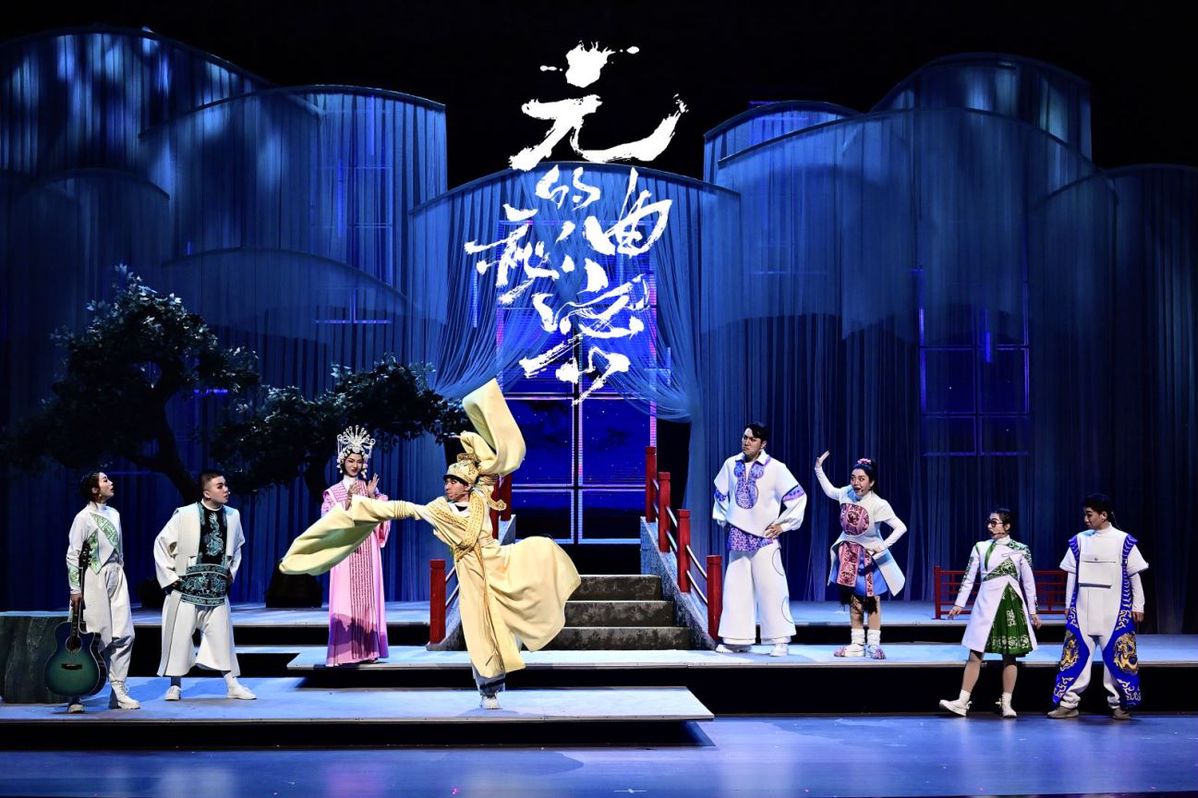
Many modern adaptations of Guan Hanqing's plays have been staged in China, demonstrating the timeless appeal of his storytelling. His works continue to be taught and studied in academic settings, highlighting their significance in the canon of Chinese literature.








